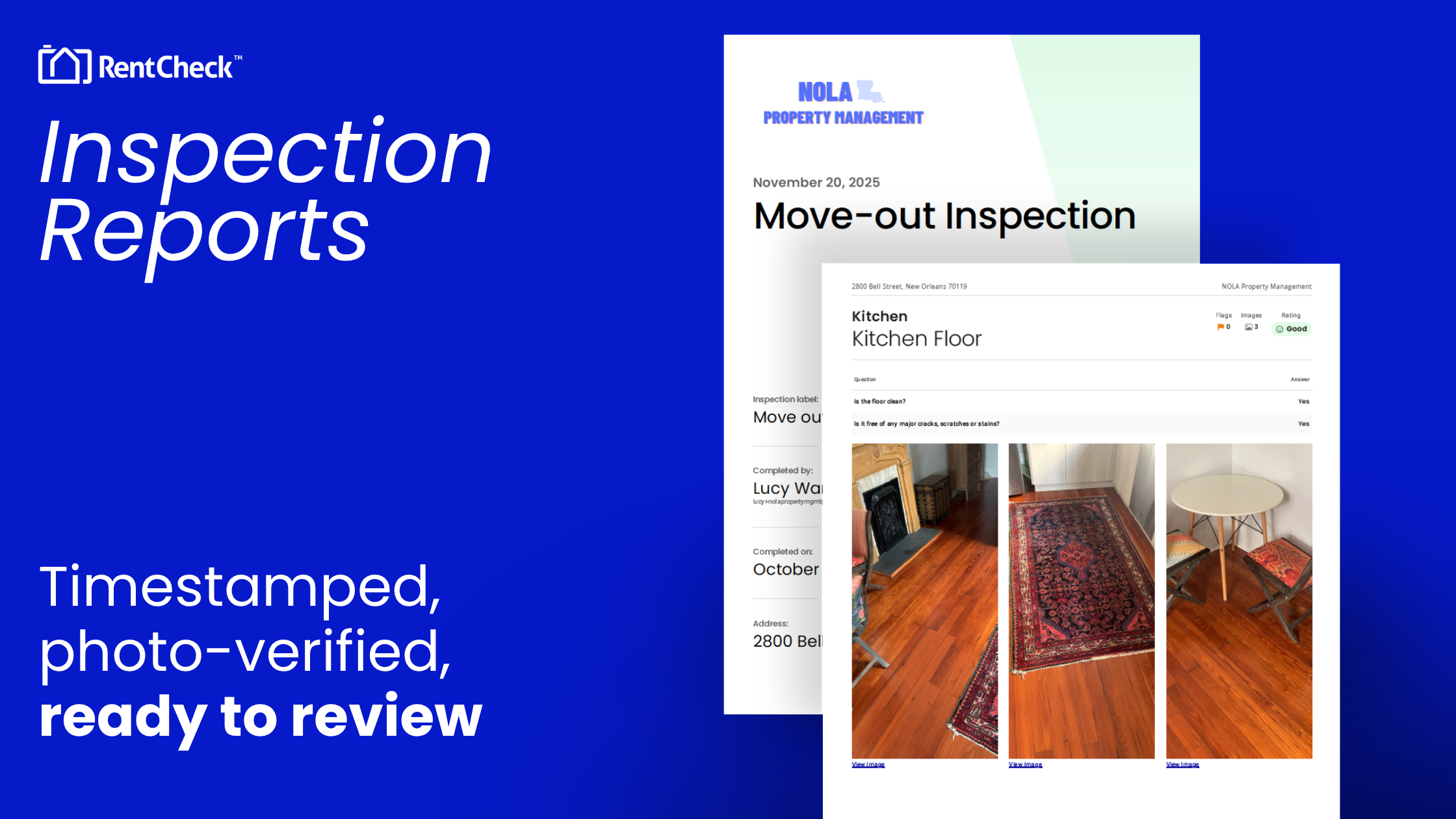
Yes, you should share the move-in inspection report with your renter. It is one of the simplest things a landlord can do to start a tenancy on the right foot. Sharing the report gives both sides one agreed-upon record of the unit's condition on day one, which is the exact document you will need at move-out to separate real damage from normal wear and tear. Transparency now means fewer surprises later.That shared starting point matters because move-out is where most money disputes happen, and memory is a weak defense. A report you both reviewed on day one is hard to argue with months later.
Should you share the move-in inspection report with your tenant?
Share it. The move-in inspection report documents the condition of the unit at the start of the lease, and it becomes the baseline you compare against when the renter leaves. RentCheck's move-in inspection workflow is built around exactly this: produce a standardized report, share it with the resident for review and digital sign-off, then compare it against a separate move-out inspection later to calculate any damages.The stakes are concrete. In Zillow's 2024 Consumer Housing Trends Report, 41% of renters who moved said they had a disagreement with their landlord or property manager, with 19% citing repairs, damage, or maintenance and 16% citing move-out costs or fees. Those are the exact deductions you have to defend at turnover. When neither side has a documented baseline, a deduction comes down to one person's word against another's. A shared, photo-backed move-in report closes that gap before it can open.
Why does a resident-led move-in inspection work better?
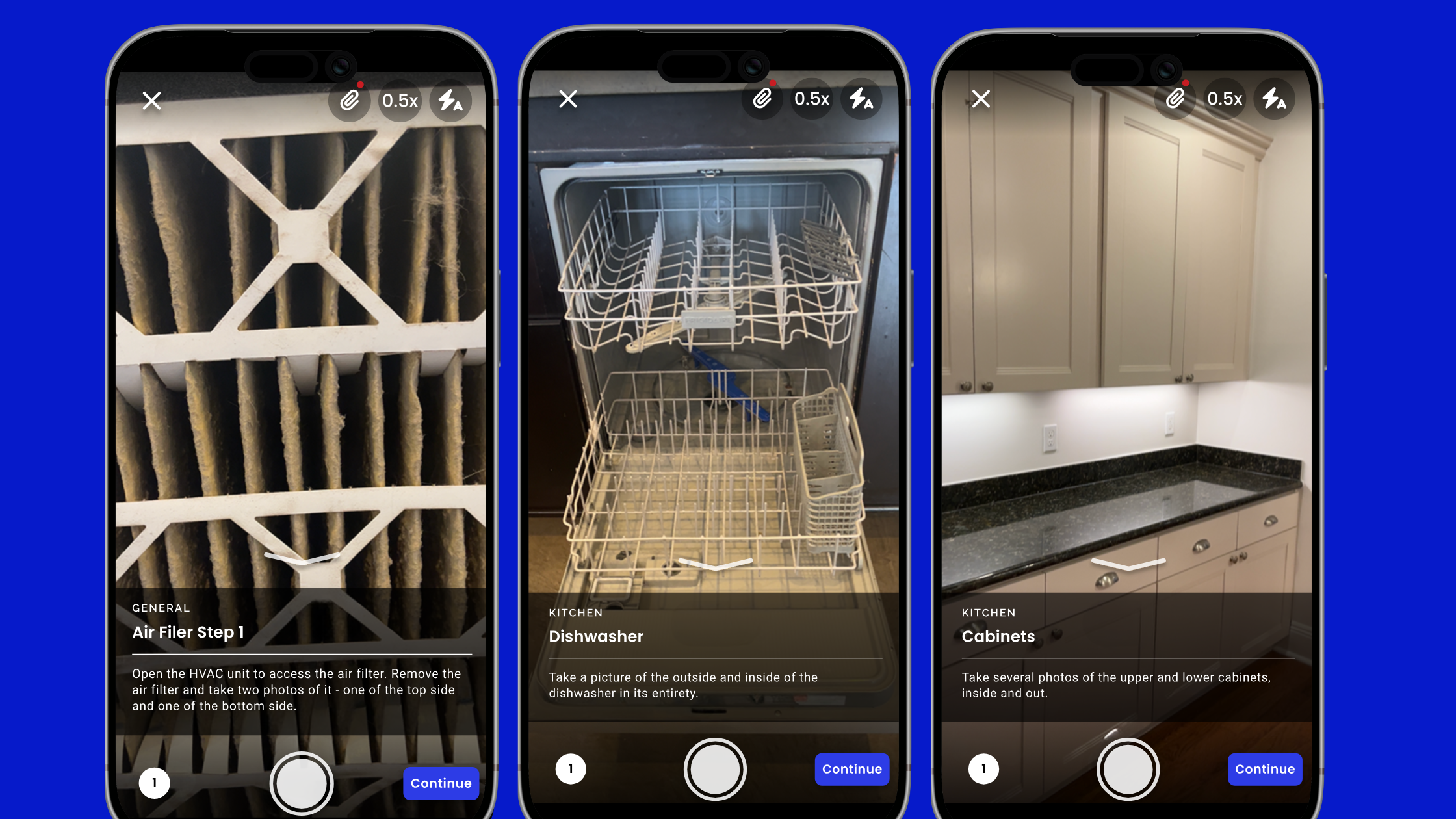
A resident-led inspection means the renter completes or participates in the walkthrough themselves, on their own time, instead of waiting for a staff member to show up. This does two useful things at once: it gets the inspection done, and it puts the renter on record as the person who documented the condition.When the renter takes the photos and notes the scuffed baseboard or the chipped countertop, they cannot later claim they never saw it. That shared authorship is what reduces deposit disputes down the line. RentCheck's resident-led inspection feature walks renters through each room step by step, and the company reports that completed inspections come back with an 89% on-time rate and fewer than 5% needing revisions, evidence that renters can produce usable records on their own.Renters notice the difference too. One reviewer on the Apple App Store wrote: "Incredible app, this made my move in so much easier! My landlord did not provide anything for our move in inspection. Luckily I stumbled upon this app and was able to conduct a full inspection that I can download as a PDF and send to our property managers." That is a renter choosing to document their unit because the process was easy, the same instinct you want to encourage from day one.
How does a shared baseline prevent move-out disputes?
Most landlord-tenant friction is avoidable with documentation, not argument. RentCheck's roundup of common landlord-tenant disputes names security-deposit disagreements at move-out as one of the most frequent, and the resolution is almost always the same: a clear before-and-after record that distinguishes damage from ordinary wear.A shared move-in report is the "before." It exists precisely so the move-out condition can be measured against something. The federal HUD Move-In/Move-Out Inspection Form is built on the same logic. Condition is recorded the same way at both ends of a tenancy so the comparison holds up. When both sides reviewed and signed off on the move-in report, the move-out conversation is about the gap between two records, not a debate over what the place looked like a year ago.Skipping that step is expensive when it goes wrong. Across most states, deposits must be returned within 14 to 30 days, and when a dispute reaches small claims court, filing fees commonly run $30 to $75 before anyone counts the hours of back-and-forth. A baseline both parties agreed to is the cheapest insurance against that. RentCheck's guidance on the tenant move-out process makes the same case: an objective account is what reduces disputes over what a renter left behind.
Can you tailor the move-in report to your own process?
You can, and you should, because no two operations inspect a unit the same way. The report reflects the template behind it, so the sections, the features inside each room, and the photo requirements are all yours to set. RentCheck's template customization tools let you decide which areas always appear, require a photo on the features that tend to cause arguments, add reference photos so renters know what a good shot looks like, and put your own branding on the report.Tailoring the report to your inspection life cycle is what makes the shared baseline trustworthy. A condition report that captures the rooms and details that matter for your properties, and presents them consistently every time, is what RentCheck's own writing on the rental property condition report calls the best defense against damage and deposit disputes. For the exact steps, see RentCheck's help article on customizing your inspection report.If you want to send renters a move-in inspection they can complete and sign off on themselves, start a free trial.
Frequently asked questions
Should I do a move-in inspection with my tenant?
Yes. A move-in inspection documents the unit's condition at the start of the lease and gives both you and the renter a shared baseline. Sharing the completed report, and ideally getting a digital sign-off, is what makes it hard to dispute at move-out.
Can a tenant do their own move-in inspection?
Yes. A resident-led inspection lets the renter complete the walkthrough on their own time, taking photos and notes through a guided process. Because the renter documented the condition themselves, they are far less likely to dispute it later.
What should a move-in inspection report include?
It should cover every room and exterior area with timestamped photos and notes on condition. Build a photo requirement into the features most likely to cause arguments, such as flooring, walls, appliances, and countertops, and capture the same areas you will inspect at move-out so the two reports line up.
Does sharing the move-in report reduce security deposit disputes?
It helps, because the report is the "before" you compare a move-out inspection against. A shared, signed baseline lets you distinguish tenant damage from normal wear and tear, which is the comparison that justifies any deduction.
Is the move-in report the same as the move-out report?
No. A move-in inspection produces a move-in report, and a separate move-out inspection later produces its own report. The move-in report is the shared starting baseline, and the two are compared to calculate any damages.